

Shielding art prices from organic market conditions doesn’t always pay off
‘Poster boy’ for the neo-Classical movement who disappeared under the radar eschewed fame for a place in the sun
‘Poster boy’ for the neo-Classical movement who disappeared under the radar eschewed fame for a place in the sun
The initiative is a collaboration between the University of Oxford and Cities and Memory, which since 2015 has been forming a sound map of the world

Lyonel Feininger in Germany, 25 years later
From October 27, 2023 to February 18, 2024, the Schirn Kunsthalle in Frankfurt presents the first major retrospective in Germany in over twenty-five years of Lyonel Feininger, one of the key figures of German Expressionism.
Source: Schirn Kunsthalle in Frankfurt · Image: Lyonel Feininger, “Self Portrait”, 1915, Oil on linen, 100.3 x 80 cm, The Museum of Fine Arts, Houston, Museum purchase funded by the Caroline Wiess Law Accessions Endowment Fund, 2014.756, Photo © The Museum of Fine Arts, Houston, Work of Art © VG Bild-Kunst, Bonn 2023
Curated by Dr. Ingrid Pfeiffer, the exhibition includes a comprehensive and surprising overview of the artist’s creative work. Feininger is famous for his paintings of buildings, crystalline architectures in unmistakable monumentality, and harmonious colors. The exhibition presents main works which are seldom on view and also little-known series like the artist’s recently rediscovered photographs.
Although the Schirn retrospective is the artist’s first in Germany in a quarter of a century, the artist has been the subject of several major exhibitions in the United States in relatively recent times, including the Whitney Museum’s major retrospective (30 June – 16 October 2011), and an exhibition of his photographs at the Getty Museum (25 October 2011 – 11 March 2012).
In addition, next November 9, 2023, the Schirn Kunsthalle will present the first comprehensive overview of the work of John Akomfrah (b. 1957), which to date is still relatively unknown in Germany. His oeuvre critically examines colonial pasts, global migration, and the climate crisis. The starting point of the Schirn’s extensive presentation is a new immersive multiscreen installation.

BY MARK ANDERSON
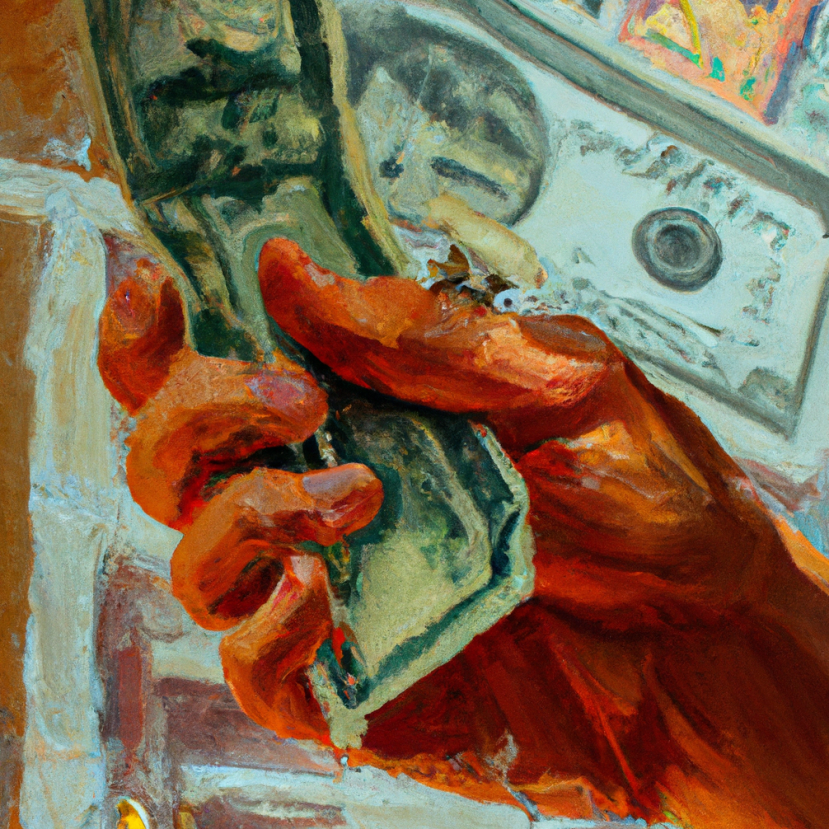
In the face of economic uncertainty, individuals worldwide are turning to art not just as a means of self-expression but also as a supplementary income. The artistic world, once perceived as a realm of passion rather than profit, is now becoming a viable second career option for many, offering both financial stability and emotional fulfillment. Recent statistics from the United States and other countries underscore this growing trend, shedding light on how art is reshaping lives and livelihoods.
Art as a Financial Safety Net
In the wake of economic challenges, the allure of art as a supplementary income has become increasingly enticing. Recent data from the U.S. Bureau of Economic Analysis reveals a significant rise in the number of people engaging in artistic endeavors as a source of revenue. In the past five years alone, the number of individuals involved in creative professions has surged by 25%, showcasing a remarkable shift in how people perceive and pursue art in the contemporary landscape.

This trend is not unique to the United States. Countries across the globe are witnessing a similar phenomenon. In the United Kingdom, the Office for National Statistics reports a 30% increase in the number of artists and creative professionals compared to a decade ago. Moreover, emerging economies like Nigeria, India, and Brazil are experiencing a creative renaissance, with a growing number of individuals turning to art as a supplementary income, thereby diversifying their financial portfolios.

The Power of the Creative Economy
The rise of the creative economy is not just a testament to individual resilience; it is also reshaping global economic landscapes. According to a report by UNESCO, the creative economy is one of the fastest-growing sectors globally, contributing significantly to employment and GDP in both developed and developing countries. This economic paradigm shift underscores the potential of art as a thriving second career option. Across the globe, individuals are harnessing their creative talents, transforming passion into a profession, and contributing to a burgeoning economic sector. This shift is fundamentally altering the way societies perceive work, emphasizing the importance of innovation, originality, and artistic expression.
Additionally, the creative economy fuels tourism and preserves cultural heritage, further bolstering economies and creating sustainable livelihoods. As societies continue to navigate the complexities of the modern world, the creative economy stands as a beacon of hope, empowering individuals, fostering innovation, and promoting the harmonious coexistence of diverse cultures on a global scale.

How to Start Your Second Career in Art
For those considering a leap into the art world as a supplementary income source, there are several key steps to embark on this transformative journey successfully:
Explore Your Artistic Potential: Unveiling your artistic talent is an odyssey of self-discovery and artistic exploration. Begin this captivating journey by embracing a myriad of creative experiences and endeavors. Engage in a diverse range of art forms, experiment with various mediums, and lose yourself in the immersive world of creativity. Notice the activities that evoke immense joy and fulfillment, where hours pass by unnoticed. Within these moments, your artistic talent lies dormant, waiting to be awakened. Allow your soul to resonate with the strokes of your brush, the melody of your instruments, or the intricacy of your designs. Your artistic prowess often reveals itself within the depths of these soulful artistic pursuits.
Research The Market: Gain a comprehensive understanding of the market demand for different art forms. Identify specialized areas where your creativity can thrive. Stay updated on trends by attending art fairs and connecting with fellow artists, ensuring you are well-informed about market preferences. It’s crucial to approach market conditions realistically, seeing them as they are, rather than how you wish them to be.
Duplicate But Don’t Imitate: Research and study how others have achieved what you aspire to in your art career. Read interviews with artists and creative professionals, watch documentaries, and attend lectures or panel discussions. Analyze their journeys, identify the strategies that worked for them, and adapt those lessons to fit your unique path.
Find A Mentor: Seek guidance from experienced mentors in your artistic journey. Finding a mentor can provide invaluable insights, constructive feedback, and practical advice. Look for individuals who align with your artistic vision and style, and don’t hesitate to reach out to them. A mentor can offer personalized tips, help you navigate challenges, and inspire you to push your creative boundaries.
Develop Your Skills: Dedicate time to refining your artistic abilities. Consider enrolling in classes, workshops, or online courses to enhance your proficiency. In the ever-evolving art landscape, continuous learning is essential. Experiment with diverse mediums and techniques. Being versatile not only enriches your creative repertoire but also opens doors to various income streams, including commissions, workshops, and collaborations. Embrace the opportunity to explore different techniques, styles, and themes fearlessly. Draw inspiration from a variety of artists and art movements, amalgamating these influences in a way that echoes your unique voice. Originality often emerges from the fusion of diverse inspirations, resulting in a style that is distinctly your own.
Build Your Online Presence: Cultivate a robust online presence by developing your own professional website, functioning as both your digital business card and a curated art store. Establish a good presence across various social media platforms and specialized art websites. Create a meticulously crafted portfolio showcasing your artwork, accompanied by a compelling narrative detailing your life story and notable achievements. Engage your audience effectively by sharing insights into your creative process. Foster meaningful connections within the artistic community, expanding your network and solidifying your position as a respected artist in the digital landscape.
Promote, Promote, Promote: Invest in promoting yourself and your work. Creating exceptional art is essential, but without visibility, your success as an artist will be limited. Engage in exhibitions, art fairs, and local events to showcase your talent nationally and internationally. Regularly publish press releases online to highlight your significant achievements and upcoming events, ensuring your work gains wide recognition. Collaborate with galleries, curators, and art influencers to enhance your presence both at home and abroad. In today’s highly connected world, clients come from various countries and regions. Many artists now sell just as much internationally as they do in their own countries. A well-planned marketing strategy can significantly elevate your sales and artistic career.

Financial Planning, Do It: Creating art demands both time and financial investment. Establish a comprehensive financial plan and set achievable goals. Familiarize yourself with effective pricing strategies for your artwork, considering production costs, market demand, and your artistic reputation. Avoid the common mistake made by many artists who improvise their financial approach. While some might succeed by chance, a significant number fall short of their goals due to the absence of fundamental financial planning.
Seek Feedback: Be open to feedback from clients, peers, and mentors. Constructive criticism can provide valuable insights, helping you refine your skills and perspectives. Be open to criticism, but don’t take it personal and always trust your intuition. Use feedback as a guide, not a definitive rule.
Persistence and Resilience: The journey in the art world may not always be smooth. Rejections and setbacks are part of the process. Stay persistent, learn from failures, and adapt your approach. Resilience is key to long-term success.
Art as a Catalyst for Financial Change
In an era marked by economic uncertainties, the surge of individuals embracing art as a supplementary income illuminates the transformative power of creativity. Beyond financial gains, this phenomenon reflects a collective desire for meaningful self-expression, personal fulfillment, and a redefinition of success. As more people embark on this artistic journey, the cultural and economic landscapes will undoubtedly witness a vibrant, innovative, and prosperous future, where the boundaries between passion and profession blur, creating a world where art becomes a catalyst for positive financial change.
Also Read:
ART APPRAISAL: Understanding and Auditing – Everything You Need To Know

The World Art News (WAN) is not liable for the content of this publication. All statements and views expressed herein are only an opinion. Act at your own risk. No part of this publication may be reproduced without written permission. © The World Art News
BY MARK ANDERSON
In the face of economic uncertainty, individuals worldwide are turning to art not just as a means of self-expression but also as a supplementary income. The artistic world, once perceived as a realm of passion rather than profit, is now becoming a viable second career option for many, offering both financial stability and emotional fulfillment. Recent statistics from the United States and other countries underscore this growing trend, shedding light on how art is reshaping lives and livelihoods.
Art as a Financial Safety Net
In the wake of economic challenges, the allure of art as a supplementary income has become increasingly enticing. Recent data from the U.S. Bureau of Economic Analysis reveals a significant rise in the number of people engaging in artistic endeavors as a source of revenue. In the past five years alone, the number of individuals involved in creative professions has surged by 25%, showcasing a remarkable shift in how people perceive and pursue art in the contemporary landscape.
This trend is not unique to the United States. Countries across the globe are witnessing a similar phenomenon. In the United Kingdom, the Office for National Statistics reports a 30% increase in the number of artists and creative professionals compared to a decade ago. Moreover, emerging economies like Nigeria, India, and Brazil are experiencing a creative renaissance, with a growing number of individuals turning to art as a supplementary income, thereby diversifying their financial portfolios.
The Power of the Creative Economy
The rise of the creative economy is not just a testament to individual resilience; it is also reshaping global economic landscapes. According to a report by UNESCO, the creative economy is one of the fastest-growing sectors globally, contributing significantly to employment and GDP in both developed and developing countries. This economic paradigm shift underscores the potential of art as a thriving second career option. Across the globe, individuals are harnessing their creative talents, transforming passion into a profession, and contributing to a burgeoning economic sector. This shift is fundamentally altering the way societies perceive work, emphasizing the importance of innovation, originality, and artistic expression.
Additionally, the creative economy fuels tourism and preserves cultural heritage, further bolstering economies and creating sustainable livelihoods. As societies continue to navigate the complexities of the modern world, the creative economy stands as a beacon of hope, empowering individuals, fostering innovation, and promoting the harmonious coexistence of diverse cultures on a global scale.
How to Start Your Second Career in Art
For those considering a leap into the art world as a supplementary income source, there are several key steps to embark on this transformative journey successfully:
Explore Your Artistic Potential: Unveiling your artistic talent is an odyssey of self-discovery and artistic exploration. Begin this captivating journey by embracing a myriad of creative experiences and endeavors. Engage in a diverse range of art forms, experiment with various mediums, and lose yourself in the immersive world of creativity. Notice the activities that evoke immense joy and fulfillment, where hours pass by unnoticed. Within these moments, your artistic talent lies dormant, waiting to be awakened. Allow your soul to resonate with the strokes of your brush, the melody of your instruments, or the intricacy of your designs. Your artistic prowess often reveals itself within the depths of these soulful artistic pursuits.
Research The Market: Gain a comprehensive understanding of the market demand for different art forms. Identify specialized areas where your creativity can thrive. Stay updated on trends by attending art fairs and connecting with fellow artists, ensuring you are well-informed about market preferences. It’s crucial to approach market conditions realistically, seeing them as they are, rather than how you wish them to be.
Duplicate But Don’t Imitate: Research and study how others have achieved what you aspire to in your art career. Read interviews with artists and creative professionals, watch documentaries, and attend lectures or panel discussions. Analyze their journeys, identify the strategies that worked for them, and adapt those lessons to fit your unique path.
Find A Mentor: Seek guidance from experienced mentors in your artistic journey. Finding a mentor can provide invaluable insights, constructive feedback, and practical advice. Look for individuals who align with your artistic vision and style, and don’t hesitate to reach out to them. A mentor can offer personalized tips, help you navigate challenges, and inspire you to push your creative boundaries.
Develop Your Skills: Dedicate time to refining your artistic abilities. Consider enrolling in classes, workshops, or online courses to enhance your proficiency. In the ever-evolving art landscape, continuous learning is essential. Experiment with diverse mediums and techniques. Being versatile not only enriches your creative repertoire but also opens doors to various income streams, including commissions, workshops, and collaborations. Embrace the opportunity to explore different techniques, styles, and themes fearlessly. Draw inspiration from a variety of artists and art movements, amalgamating these influences in a way that echoes your unique voice. Originality often emerges from the fusion of diverse inspirations, resulting in a style that is distinctly your own.
Build Your Online Presence: Cultivate a robust online presence by developing your own professional website, functioning as both your digital business card and a curated art store. Establish a good presence across various social media platforms and specialized art websites. Create a meticulously crafted portfolio showcasing your artwork, accompanied by a compelling narrative detailing your life story and notable achievements. Engage your audience effectively by sharing insights into your creative process. Foster meaningful connections within the artistic community, expanding your network and solidifying your position as a respected artist in the digital landscape.
Promote, Promote, Promote: Invest in promoting yourself and your work. Creating exceptional art is essential, but without visibility, your success as an artist will be limited. Engage in exhibitions, art fairs, and local events to showcase your talent nationally and internationally. Regularly publish press releases online to highlight your significant achievements and upcoming events, ensuring your work gains wide recognition. Collaborate with galleries, curators, and art influencers to enhance your presence both at home and abroad. In today’s highly connected world, clients come from various countries and regions. Many artists now sell just as much internationally as they do in their own countries. A well-planned marketing strategy can significantly elevate your sales and artistic career.
Financial Planning, Do It: Creating art demands both time and financial investment. Establish a comprehensive financial plan and set achievable goals. Familiarize yourself with effective pricing strategies for your artwork, considering production costs, market demand, and your artistic reputation. Avoid the common mistake made by many artists who improvise their financial approach. While some might succeed by chance, a significant number fall short of their goals due to the absence of fundamental financial planning.
Seek Feedback: Be open to feedback from clients, peers, and mentors. Constructive criticism can provide valuable insights, helping you refine your skills and perspectives. Be open to criticism, but don’t take it personal and always trust your intuition. Use feedback as a guide, not a definitive rule.
Persistence and Resilience: The journey in the art world may not always be smooth. Rejections and setbacks are part of the process. Stay persistent, learn from failures, and adapt your approach. Resilience is key to long-term success.
Art as a Catalyst for Financial Change
In an era marked by economic uncertainties, the surge of individuals embracing art as a supplementary income illuminates the transformative power of creativity. Beyond financial gains, this phenomenon reflects a collective desire for meaningful self-expression, personal fulfillment, and a redefinition of success. As more people embark on this artistic journey, the cultural and economic landscapes will undoubtedly witness a vibrant, innovative, and prosperous future, where the boundaries between passion and profession blur, creating a world where art becomes a catalyst for positive financial change.
Also Read:
ART APPRAISAL: Understanding and Auditing – Everything You Need To Know
The World Art News (WAN) is not liable for the content of this publication. All statements and views expressed herein are only an opinion. Act at your own risk. No part of this publication may be reproduced without written permission. © The World Art News
Two artists, Heba Zagout and Muhammed Sami Qariqa, are among the nearly 4,000 Gazans who have died in the escalating Israel-Hamas war
Philbin transformed the University of California, Los Angeles’s campus museum (originally built to house an oil magnate’s Old Masters) into a world-class contemporary art institution
Court allows insurers to amend their argument, after arguing that the collector misrepresented his intention to sell “damaged” works, in $410m insurance claim